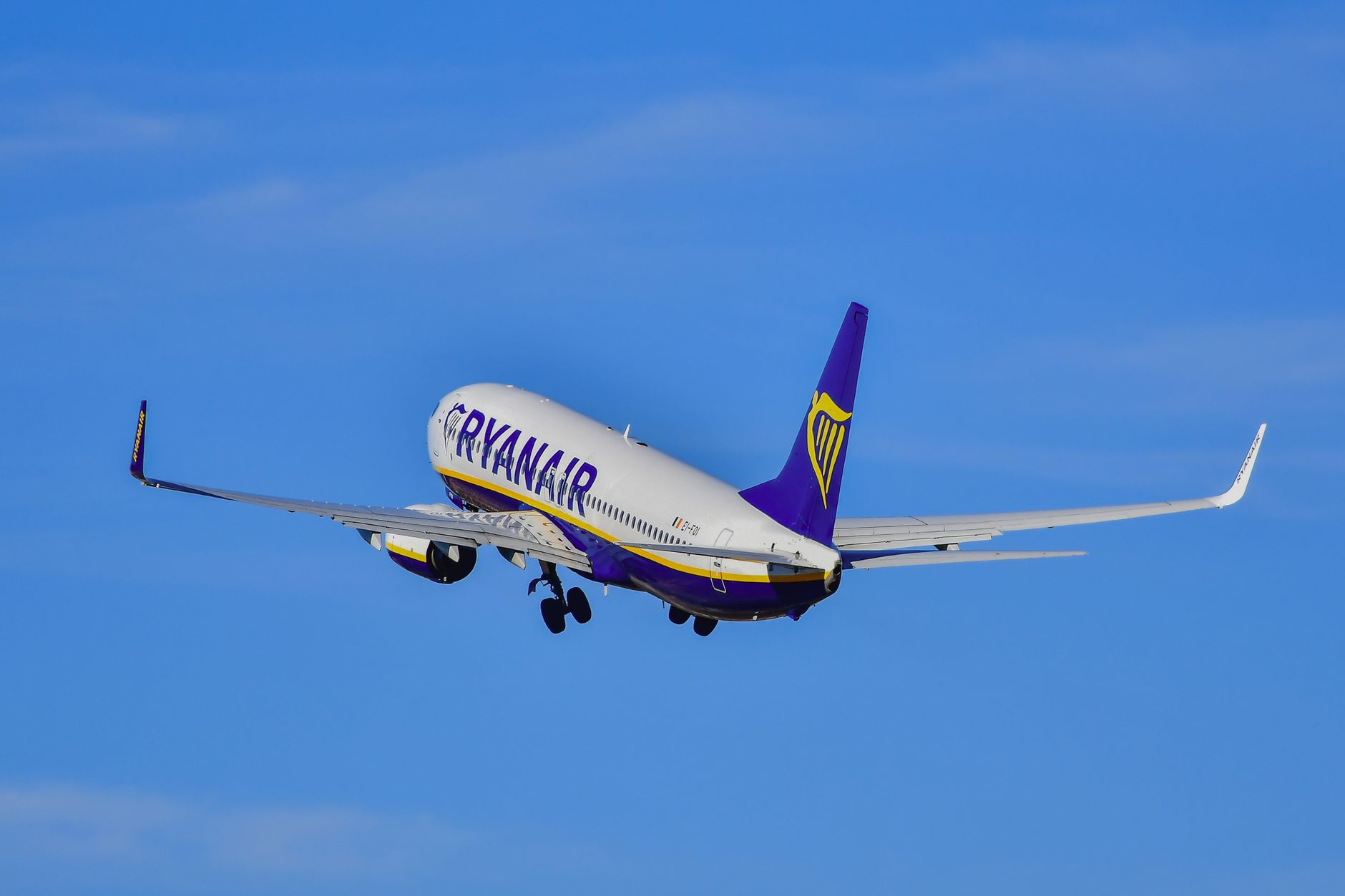
Ryanair has warned that families traveling to the Spanish holiday spots of Lanzarote, Tenerife and Alicante this summer may encounter longer queues and possible delays because of the new Entry‑Exit System (EES) being rolled out across European airports.
What the Entry‑Exit System changes border checks
The EES replaces the traditional passport stamp with a digital record that logs a traveller’s entry and exit dates, along with biometric data such as fingerprints and facial images. The system is meant to streamline border control for non‑EU citizens entering the Schengen Area, but the rollout has been uneven.
Airports that have struggled with the new technology are seeing bottlenecks at both arrivals and departures. Ryanair identified fifteen European airports where processing times have slowed, including the three Spanish locations mentioned in the airline’s alert.
Ryanair’s advice for travelers
Ryanair’s chief operations officer Neal McMahon said families should focus on packing sunscreen and sun‑ready clothing rather than worrying about long lines, but he cautioned that the reality may differ. “Families heading away for a well‑earned summer holiday should be thinking about suitcases, suncream and sangria, not standing in passport queues for hours,” he said.
He added that the EES “isn’t working properly and families are paying the price for a system that does not work months after launch.” The airline urged passengers to allow extra time for their journeys, especially when travelling to or from non‑Schengen destinations or when transiting through the affected airports.
Related: Expert Simon Calder warns Dubai holidaymakers of trouble
Ryanair also called for EU member states to extend the flexibilities built into the EES, giving airports more time to fix broken devices and hire additional staff. Without these adjustments, the new border controls could continue to disrupt holiday travel.
Travelers planning to fly from the UK to the highlighted Spanish cities should check the status of their flights and consider arriving at the airport earlier than usual.
While the warning focuses on the three Spanish destinations, the broader list of airports includes major hubs such as Lisbon, Madrid, Milan and Frankfurt Hahn. The inclusion of these locations indicates that the challenges may affect a larger segment of European travel, not just holidaymakers heading to beach resorts.
Passengers who encounter delays may also face missed connections, especially if they are traveling through multiple airports in a single itinerary.
Ryanair’s statement highlights a growing tension between the desire for faster, more secure border processing and the practical realities of implementing new technology on a continent-wide scale. As the summer travel season progresses, the advice may become a key factor for families deciding whether to adjust their travel plans or seek alternative routes.


