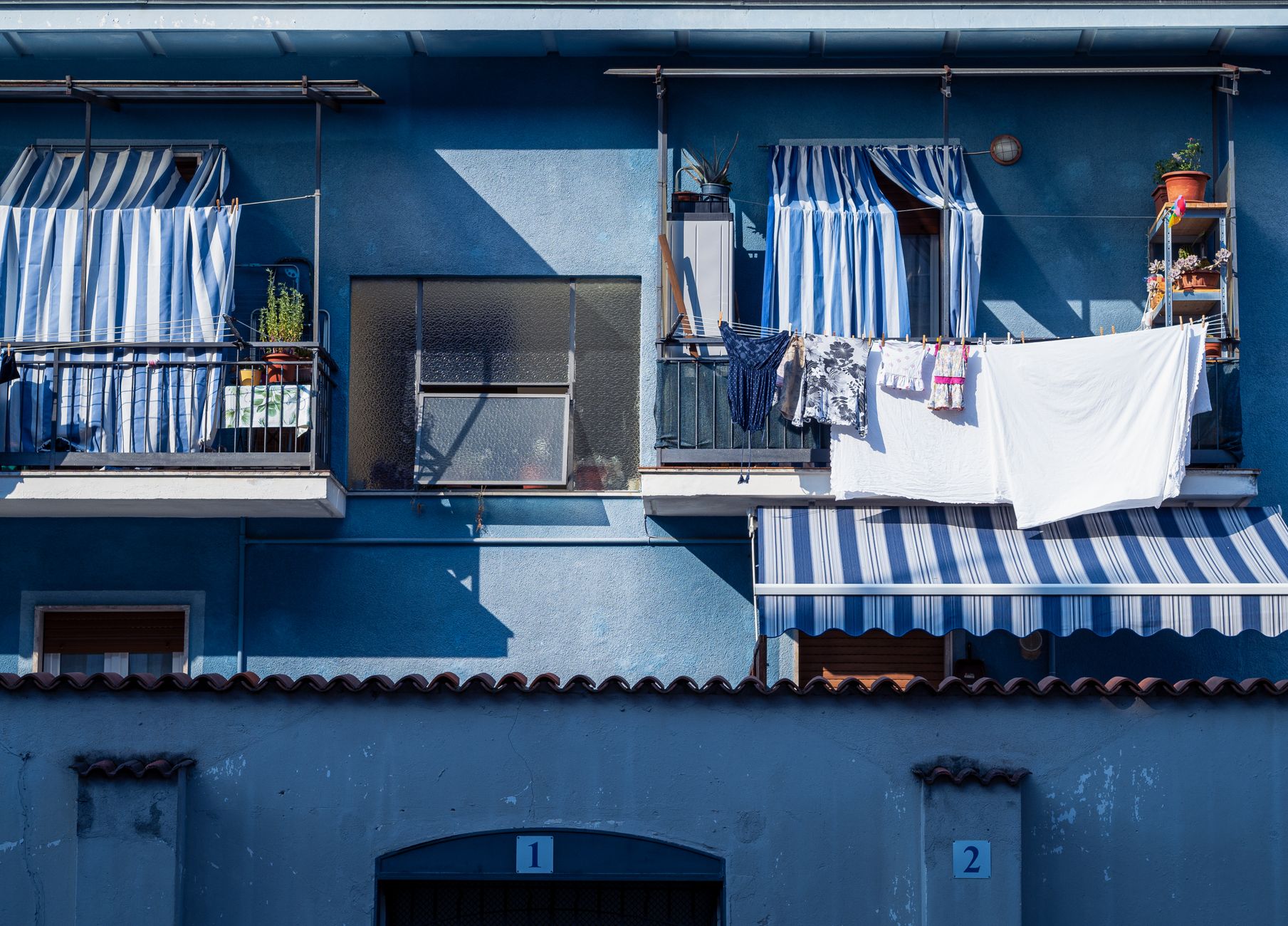
Ben Morris, a YouTube content creator, traveled to the Sicilian town of Sambuca di Sicilia to see what Italy’s heavily promoted €1 home scheme actually involves. The promise is simple: buy a house for pocket change, revive a fading rural community, and get a foothold in the Italian market. But as Morris discovered, the reality is more complicated.
Morris talked to a local estate agent who explained how the bidding process works. “So, when they launched the first project, then there has been three: €1 houses, €2 houses, and €3 houses,” she said. “The rules are more or less always the same. You have to do an offer of at least €1, €2 or €3, but you know that the higher offer will win the house.”
He noted the catch: “Although houses do go on the market for €1, they usually get bid on for up to €5,000 (about £4,200).” That first property he saw in Sambuca would have cost him five thousand times the advertised price. He did add that other towns, like the one he planned to visit next, offer homes at a straight €1 with no auction — but those come with their own conditions.
Related: How to skip airport security lines
What €1 actually gets you
Morris then looked into the story of Meredith Tabbone, an American who bought a house in Sambuca for €5,000 and then purchased the neighboring property. Her total renovation bill came to $446,000, or about £333,000. That kind of spending is not unusual. The scheme’s underlying logic is that restored, occupied homes benefit a town far more than vacant ones — and second-home owners face local tax charges that help offset municipal costs.
In Mussomeli, another Sicilian town participating in the program, Morris met a woman named Natalie who showed him a selection of properties, two of which cost less than a pound. One two-story dwelling was in rough shape. He was told to walk only on the edges of the floor for safety reasons. After inspecting it, Morris said: “And that is exactly why so many of these homes are being sold for so cheap. You’re going to need to do renovations and spend money to make it livable. You also have the responsibility to make sure your house doesn’t fall down and like kill your neighbour or something.”
Natalie added that beyond the purchase price, buyers face notary fees, certificate costs, and other transaction expenses. Morris called that “another little catch.”
Related: Four UK deaths prompt urgent Spain travel update
For someone considering the scheme, the math becomes clear fast. The cheap entry price is real but trivial compared to the cost of making a structurally questionable building safe and livable — often tens or hundreds of thousands of euros. The towns, meanwhile, are gambling that enough buyers with deep pockets will take the risk, bringing life back to emptying streets. But the gap between the marketing and the actual expense is wide enough that many casual lookers likely walk away.
About 25 municipalities are believed to be running similar programs across Italy. The goal, as stated by the website 1eurohouses.com and reported by journalists on the scene, is straightforward: “We do not need new constructions and new overbuilding. The strategy to improve the housing environment and reclaim our cultural identity is to revive the small abandoned centres or to redevelop buildings in a state of abandonment, with a story that is our history.”
Morris didn’t leave with a house. What he left with was a clear picture of a scheme that works best for people willing to spend hundreds of thousands on a restoration project — and treat the €1 price tag as a marketing hook rather than a real offer. The towns, for their part, keep hoping that the next visitor might be the one who actually signs the papers.


